
Webinar | 101 of DBA Career Graph by PWI
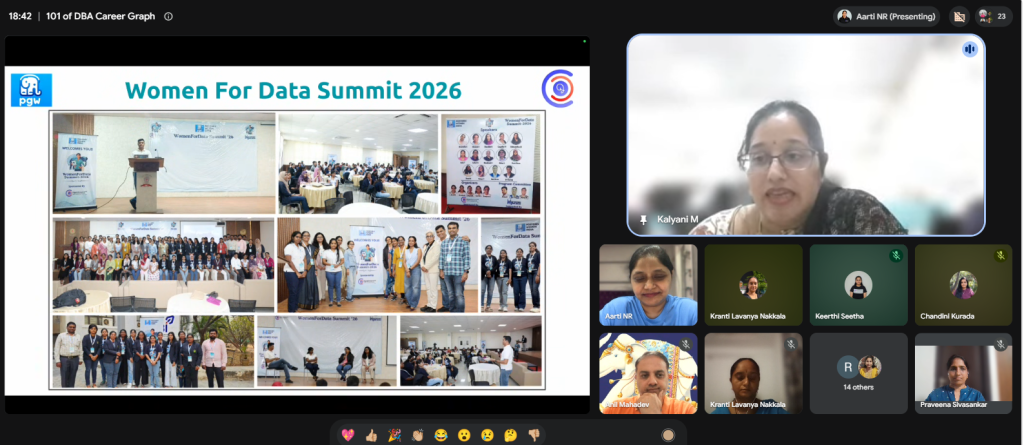
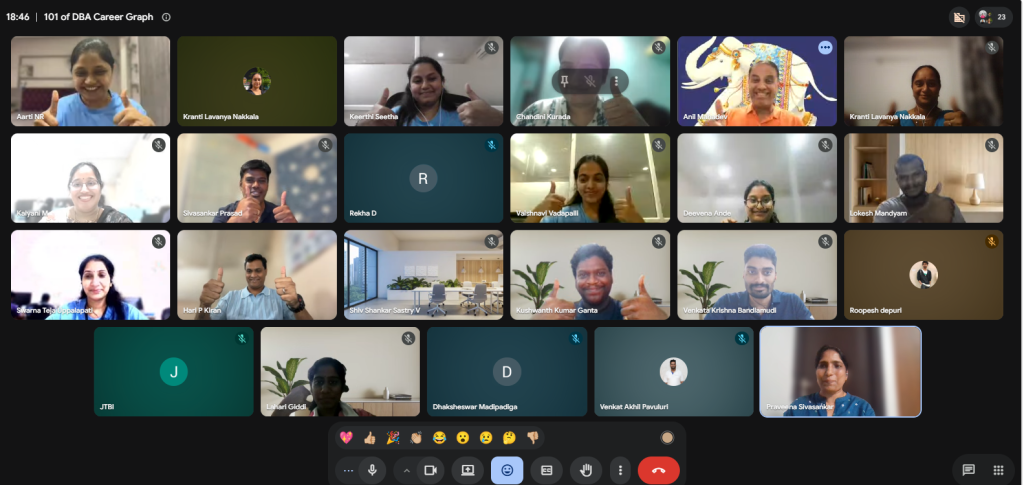
Webinar Highlights
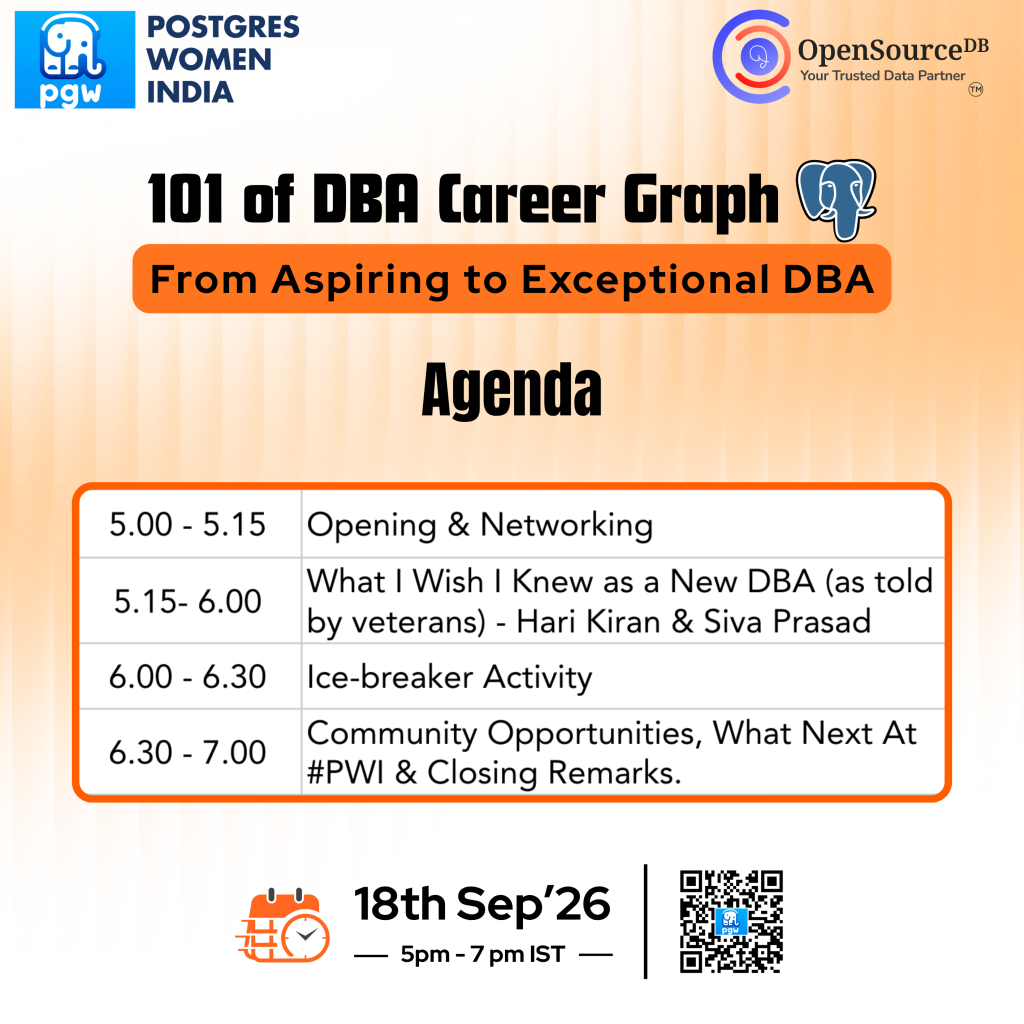
101 of DBA Career Graph – From Aspiring to Exceptional DBA
What I Wish I Knew as a New DBA
Building a successful DBA career is about much more than learning databases and mastering technology.
It is also about knowing how to respond when things go wrong, communicate risks clearly, make responsible decisions, build trust, and continuously learn from real-world experiences.
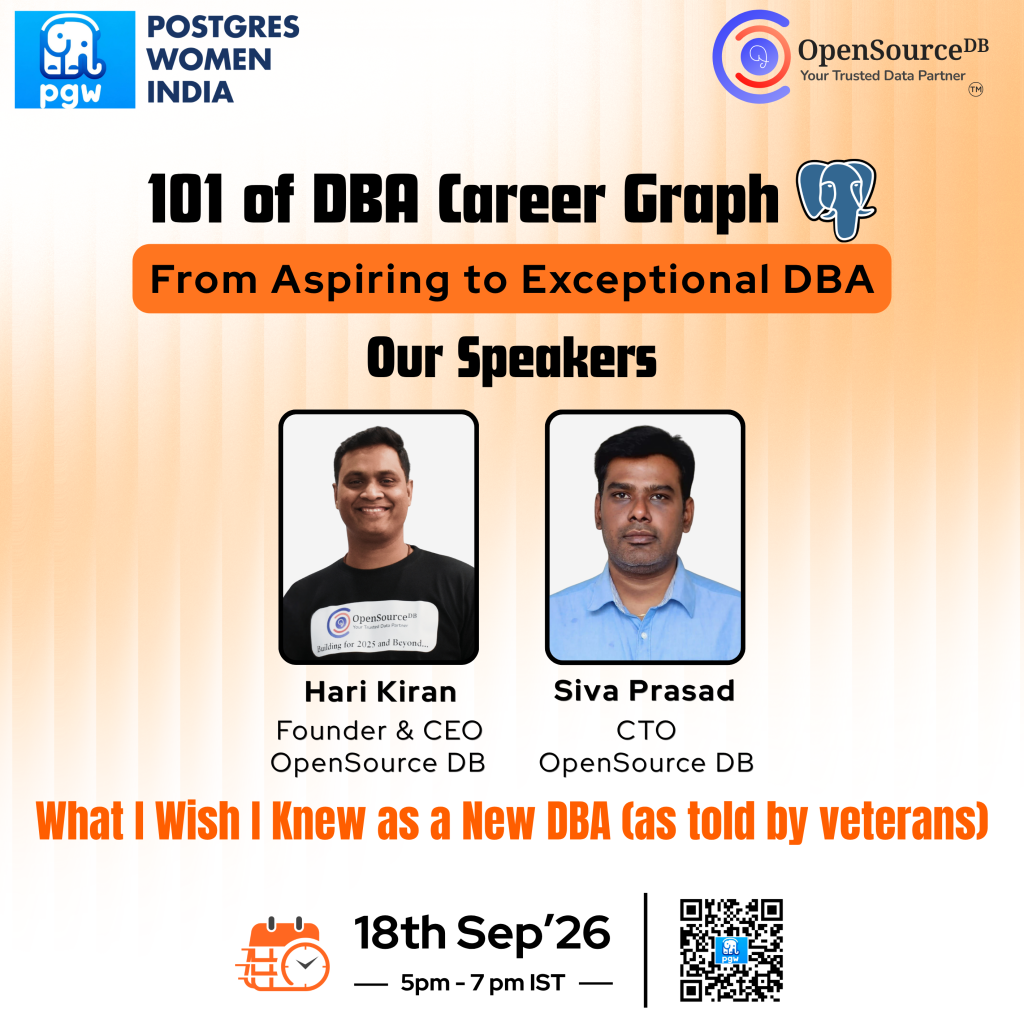
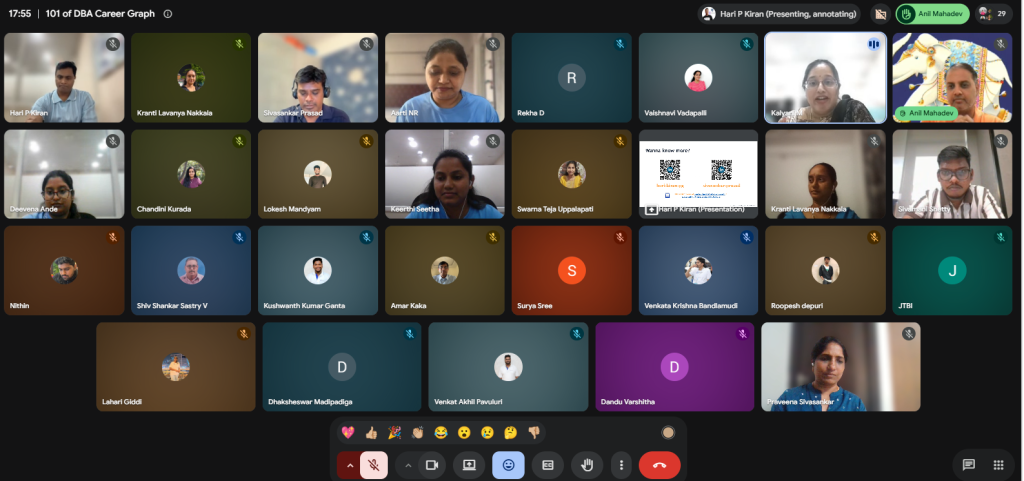
In this session, experienced database and technology professionals Hari Kiran and Sivasankar Prasad shared stories and lessons from their careers, including challenging situations, mistakes, incidents, and decisions that shaped their professional journeys.
Rather than a traditional technical lecture, the session was an open conversation about what it really takes to grow from an aspiring DBA into a trusted technology professional.
What We Explored
1. 100% Uptime Does Not Equal Success
Reliability is not only about preventing downtime. It is also about being prepared when something goes wrong.
The discussion highlighted the importance of:
Tested backup, restore and recovery processes
Disaster recovery planning
Practising rollback procedures
Learning from incidents
Building confidence through preparation
A recovery plan should not simply exist as documentation. It needs to be tested and rehearsed so that teams know what to do when a real incident occurs.
2. Move Beyond “Keeping the Lights On”
A DBA career often starts with operational responsibilities such as backups, restores, patching and troubleshooting.
Career growth comes when your expertise starts contributing to larger technology decisions.
The journey can move from:
Being called when something breaks → Being consulted before an important decision is made.
DBAs can create greater value by understanding the wider technology environment and contributing to discussions around architecture, schema changes, performance, reliability and risk.
3. Technical Skills Are Only Part of Career Growth
Technical knowledge is essential, but career growth also depends on how effectively you work with people.
The speakers highlighted the importance of:
Communicating clearly with stakeholders
Explaining technical risks in business terms
Building trust with managers and customers
Working effectively across teams
Taking ownership beyond immediate responsibilities
Your technical expertise becomes more valuable when people can understand it, trust it and use it to make better decisions.
4. Communication Matters During an Incident
Production incidents can test more than technical skills.
One of the key lessons from the session was the importance of communicating early rather than trying to solve everything silently.
When an issue occurs:
Communicate the risk. Explain what is happening. Keep the right people informed.
A technical problem may be fixable, but delayed or unclear communication can increase its impact.
5. Know When to Say No
Engineering discipline can sometimes be challenged by deadlines and external pressure.
The discussion highlighted why testing, validation and rollback planning should not be skipped simply to meet a deadline.
Knowing when to say:
“We need more time to test this safely.”
can be an important part of being a responsible engineer.
6. Speak the Language of the Business
Technical teams often describe problems in technical terms. Business stakeholders need to understand the impact.
Instead of simply saying:
“The query is slow.”
explain:
How much additional time is involved?
Which customer or business process is affected?
What could happen if the issue is ignored?
What is the potential business impact?
What action is required and by when?
The goal is not to make everyone understand database internals. It is to make the impact and the required action understandable.
Four Lessons to Carry Forward
Failure Teaches Quickly
Real incidents and mistakes can provide lessons that cannot always be learned from courses or documentation.
Testing Matters
Skipping testing, validation or rollback planning can turn a quick solution into a much bigger problem.
Communication Builds Trust
Being technically correct is only part of the job. Clear, timely and transparent communication matters just as much.
Scope Is Often Something You Create
You do not always have to wait for someone to give you your next opportunity. Find an important problem, take ownership and work towards solving it.
Three Practical Things to Try
Shadow an Incident Review
Follow an incident from beginning to end.
Look beyond the database and understand how the application, middleware, operating system, storage, users and communication between teams contributed to the incident.
Build a Relationship Outside Your Technical Team
Connect with someone outside your immediate technical team, such as a project manager, support lead, resource manager or data analyst.
Understanding their work can help
Webinar Recording
Missed the live session or would like to revisit the discussions?
🎥 Watch the webinar recording below and continue your learning journey with us.
We look forward to seeing you at our upcoming webinars and community events. Stay connected with Postgres Women India for more technical sessions, learning opportunities, and community initiatives.


 Anuradha Chinta
 Haimantika Mitra
 Gayathri Varadarajan
  Chandini Kurada
  Vanya Seth
 Madhavi Datla

 Rumi
Rumi  Bhavani Indukuri